
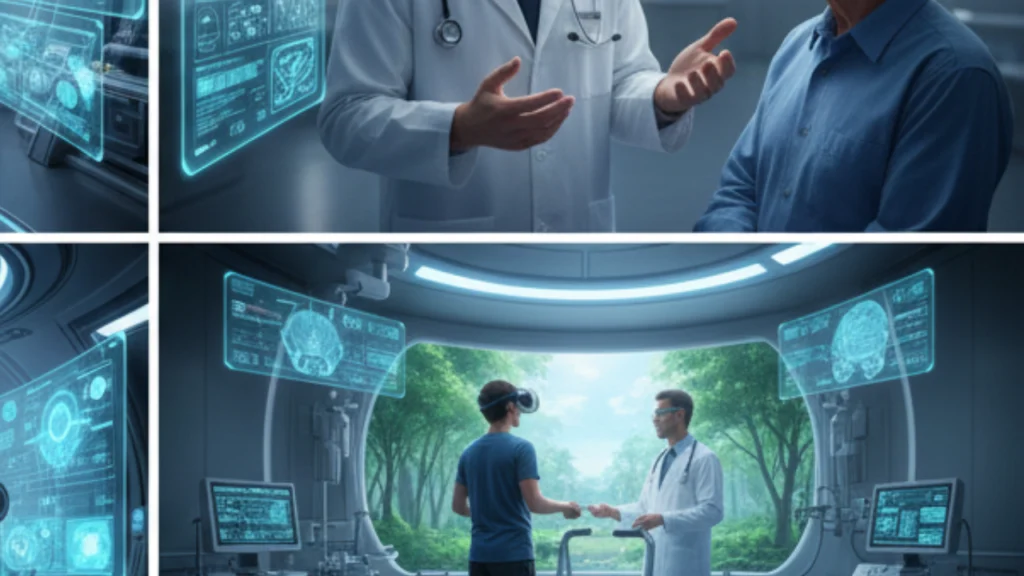
Technology is reshaping how we live, work, and especially how we approach healthcare. Among the most exciting innovations the role of AI and VR in healthcare is revolutionizing the healthcare industry. These technologies are not just futuristic ideas but real-world tools transforming medicine, patient care, and medical education. From smarter diagnostics to immersive training, AI and VR are changing healthcare more rapidly than most of us realize.
Let’s break it all down in a way that’s easy to understand, informative, and useful for anyone interested in how tech is rewriting the rules of health.
Understanding AI and VR in Healthcare
Before diving into their impact, let’s define what we mean by AI and VR:
• Artificial Intelligence (AI) refers to computer systems that can simulate human intelligence by analyzing data, learning patterns, and making decisions. In healthcare, AI is used for diagnosis, treatment planning, predictive analytics, and even patient monitoring. It can process vast amounts of data far quicker than human clinicians, helping to detect diseases early, personalize treatment plans, and enhance decision-making.
• Virtual Reality (VR) is an immersive technology that creates a simulated environment in which users can interact. In healthcare, VR is used for medical training, patient rehabilitation, pain management, and mental health treatments. It provides an engaging and risk-free way to simulate real-world experiences, offering both healthcare professionals and patients an innovative way to learn, heal, and recover.
How AI is Transforming Healthcare
AI in Diagnostics: Faster, Smarter, and More Accurate
AI has become a game-changer in diagnosing diseases, from early detection of cancer to identifying heart disease risk factors. Traditional diagnostic methods often take time, and sometimes they miss crucial early signs.
AI addresses these challenges by:
• Processing medical images faster than human clinicians, making it possible to detect issues such as tumors, fractures, or infections with higher accuracy. AI-powered tools in radiology and pathology have already shown the ability to spot early-stage cancers in mammograms, CT scans, and MRIs.
• Analyzing electronic health records (EHRs) and patient data to identify risk factors and predict health outcomes before they occur. For example, AI algorithms can help detect signs of chronic conditions like diabetes or hypertension by analyzing patterns in patients’ health records and alerting doctors to potential risks.
This allows healthcare professionals to make more informed, data-driven decisions, leading to better outcomes.
AI in Treatment and Personalized Care

AI doesn’t just stop at diagnosis. It plays an essential role in personalizing treatment plans. With the help of machine learning, AI can continuously learn and adapt treatment strategies based on patient progress, genetic data, and medical history. By analyzing vast amounts of data from various sources such as medical literature, clinical trials, and patient outcomes, AI can suggest the most effective treatments for individuals.
This precision medicine approach ensures that patients receive treatments tailored to their specific needs, improving effectiveness and reducing side effects.
AI in Healthcare Operations
Healthcare systems are complex, and managing the administrative side can be as challenging as the clinical side. AI helps streamline operations, saving time and resources. This includes:
• Automating repetitive tasks like scheduling, billing, and medical record management.
• Improving patient flow by predicting hospital readmissions, bed availability, and appointment scheduling.
• Enhancing supply chain management to ensure that medical supplies are available when needed, without overstocking or running out.
By improving these processes, AI can reduce healthcare costs and enhance efficiency across the entire system.
The Role of VR in Healthcare: Enhancing Experiences and Improving Recovery
Medical Training and Education
Virtual Reality has become a powerful tool for training medical students, residents, and healthcare professionals. It offers a safe, immersive environment where practitioners can practice medical procedures and surgeries without the risk of harming patients.
• VR allows for interactive learning by simulating surgeries, diagnostic procedures, and emergency situations. Medical students can practice complicated procedures repeatedly, gaining valuable experience and building confidence before entering the operating room.
• 3D anatomy visualization and interactive simulations provide a more comprehensive understanding of the human body, helping students learn anatomy, physiology, and pathology at a deeper level.
Patient Rehabilitation and Pain Management
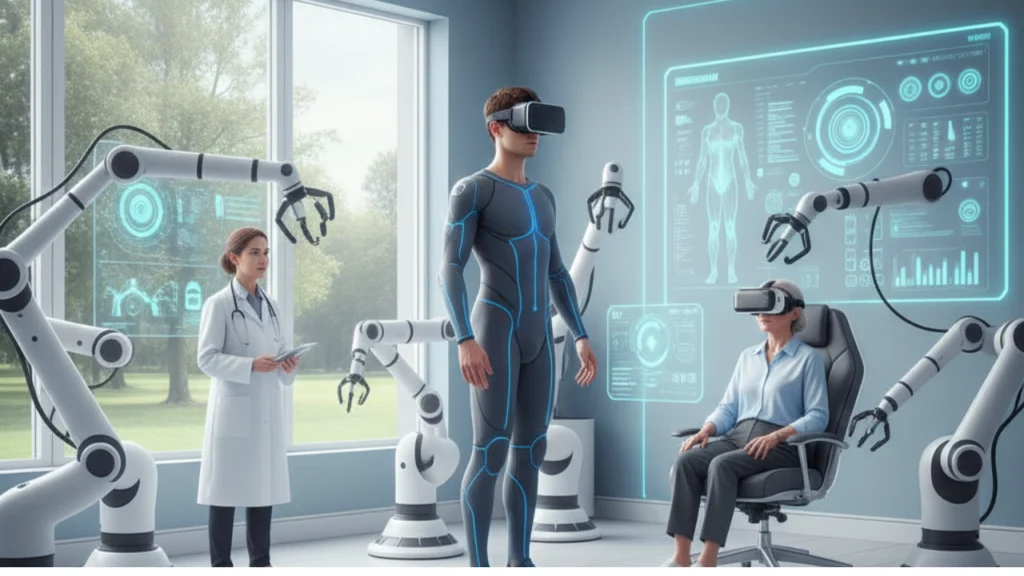
Rehabilitation therapies can be challenging for patients, both mentally and physically. VR-based therapy offers an engaging way to motivate patients to participate in their rehabilitation, especially in the case of physical therapy for stroke victims, accident survivors, and elderly patients with mobility issues.
• Virtual environments can simulate activities like walking, climbing stairs, or reaching for objects, allowing patients to practice movements that they might have difficulty with in the real world.
• VR can also help reduce chronic pain by distracting the brain from pain signals, leading to better pain management and improved recovery. In hospitals, VR is increasingly being used to manage pain during medical procedures, such as wound care or cancer treatments.
Mental Health and Well-Being
In addition to physical rehabilitation, VR has found a strong application in mental health care. Exposure therapy is a common treatment for anxiety, phobias, and PTSD. VR allows patients to confront their fears or traumatic experiences in a controlled, virtual environment, helping them gradually overcome their anxieties.
For instance, patients with PTSD can undergo virtual scenarios that simulate combat situations, allowing them to process and cope with their trauma in a safe, therapeutic space.
Synergetic Role of AI and VR in Healthcare
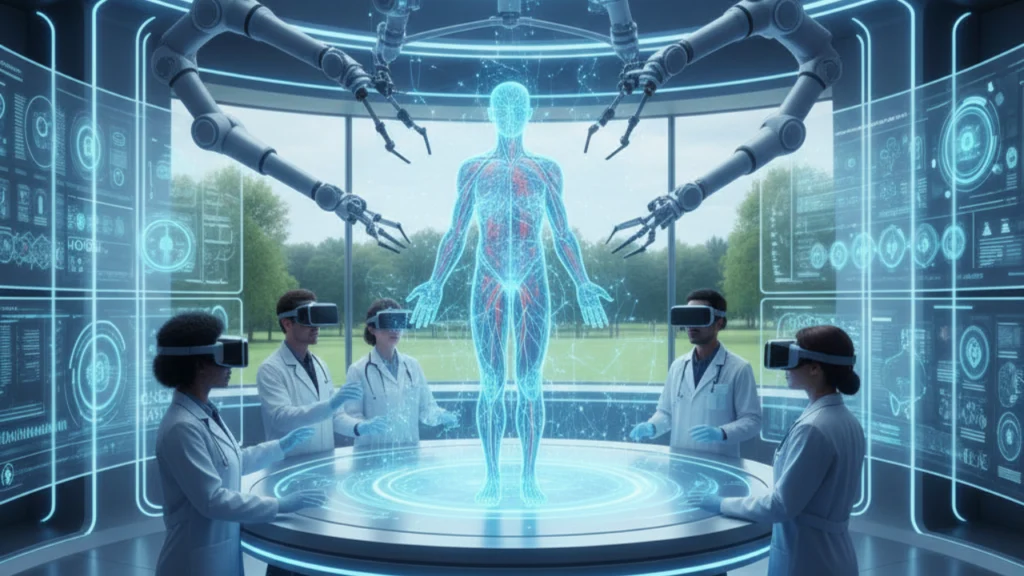
When AI and VR are combined, the results are even more transformative
• AI-driven VR experiences can adapt in real-time based on the patient’s responses. For example, AI can monitor a patient’s movements or reactions during a VR session and adjust the difficulty or type of therapy provided.
• AI analyzes the data from VR therapy sessions to provide insights into a patient’s progress and make recommendations for future treatments.
This synergy creates a personalized and adaptive healthcare experience for each patient, enhancing both treatment and recovery.
Conclusion
The role of AI and VR in healthcare is not just a passing trend they are key technologies that are already making a significant impact. These tools are
• Improving diagnosis and treatment, leading to better patient outcomes
• Enhancing medical education and training, ensuring healthcare professionals are equipped with the skills they need
• Transforming patient care and rehabilitation, offering new ways to engage and motivate patients
As these technologies continue to evolve, we can expect them to become even more integrated into our healthcare systems, providing more efficient, personalized, and effective care.
In the future, healthcare will be more data-driven, immersive, and personalized, all thanks to the transformative power of AI and VR.
FAQs
Q1: How is AI improving healthcare?
AI is improving healthcare by helping diagnose diseases more accurately, personalizing treatments, and optimizing operational efficiency in hospitals and clinics. It’s transforming everything from patient care to administrative tasks.
Q2: What role does VR play in medical education?
VR provides immersive, hands-on training for medical students and professionals. It simulates real-world medical procedures, giving trainees the opportunity to practice surgeries and diagnostic techniques without risk.
Q3: Can VR be used for mental health treatment?
Yes! VR is increasingly being used to treat anxiety, PTSD, and other mental health conditions through exposure therapy. It helps patients confront fears or trauma in a controlled and safe environment.
Q4: Is AI safe to use in healthcare?
AI is safe when used responsibly, with appropriate safeguards to protect patient privacy and ensure accuracy. However, it’s important to continue monitoring AI systems to avoid bias and ensure ethical use in healthcare.
Q5: How can VR be used for patient rehabilitation?
VR can be used to simulate physical activities that patients need to practice during rehabilitation, such as walking or reaching. It helps improve mobility, reduce pain, and keep patients engaged in their recovery process.
Q6: How soon will these technologies become common in hospitals?
Many hospitals are already using AI tools and VR simulations today, and adoption is growing annually as technology becomes more affordable and robust. Built In
Q7: Will doctors be replaced by AI and VR?
No—these technologies are designed to augment healthcare professionals, not replace them. They help clinicians make better decisions and spend more quality time with patients.