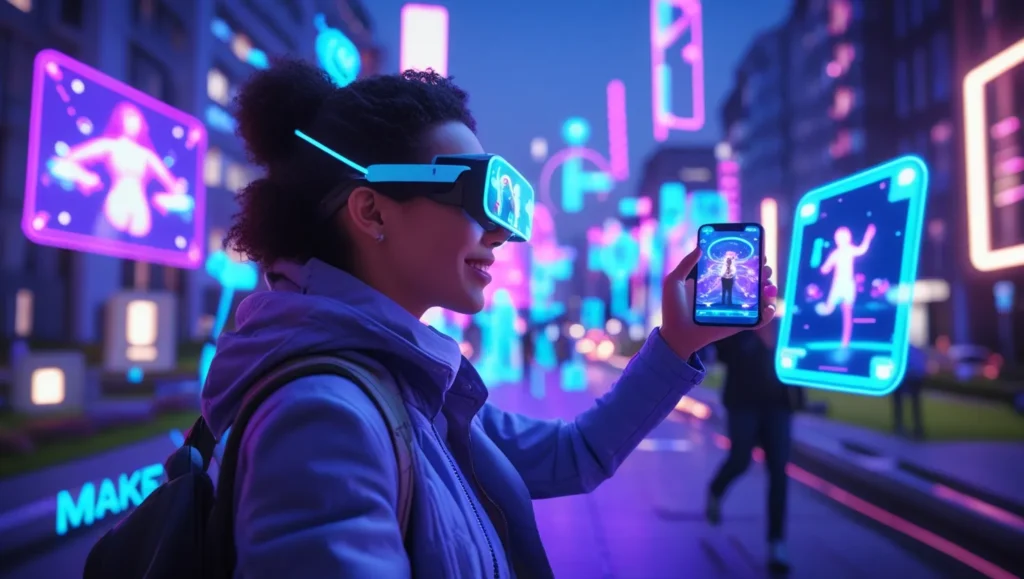
Augmented reality emoji let you place expressive icons and characters into the real world using your camera. This guide explains what they are, why they matter, and how you can use them to make your communication more creative and personal.
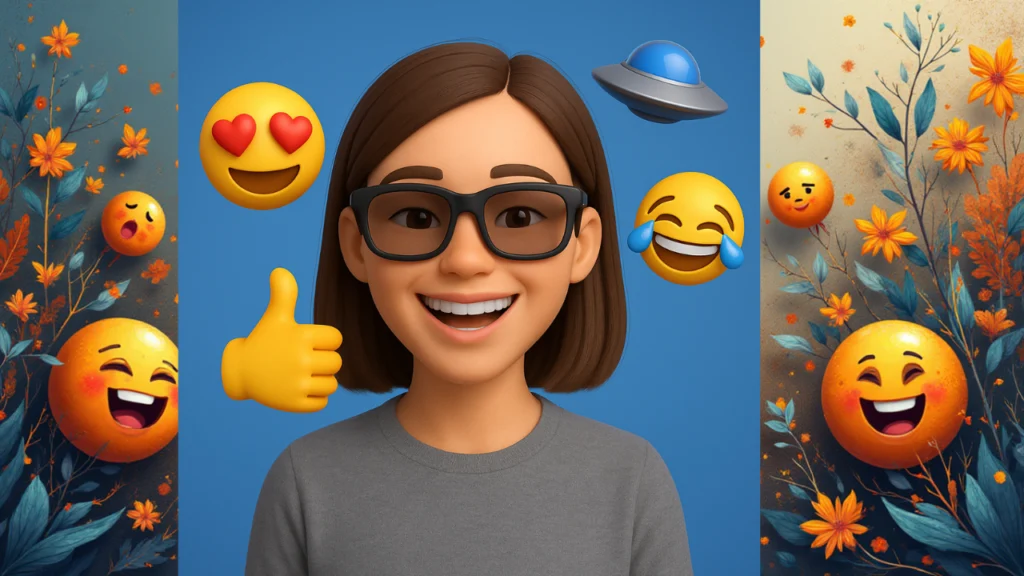
What Are Augmented Reality Emoji
Augmented reality emoji are expressive icons or avatars that appear inside your real-world environment when viewed through a smartphone, tablet, or AR glasses. They combine traditional emoji with augmented reality, allowing users to see digital expressions floating, moving, or reacting in real space.
Instead of being limited to flat icons in chats, AR emoji appear in your surroundings. You might see a smiling 3D emoji sitting on your desk or an AR avatar that mimics your face movements. This makes emotion and personality part of your living environment.
How Emoji Evolved into AR Avatars
From Simple Icons to Virtual Companions
Emoji started as pictograms used to express tone and emotion in text messages. People quickly discovered that a simple heart or smile made messages warmer and more human. Studies show that when people use emoji, their messages feel friendlier and more personal, helping bridge the emotional gap of online communication.
The Augmented Reality Leap
With the rise of mobile cameras and AR technology, emoji gained a new dimension. AR avatars can now map onto your face, follow your movements, and react to your expressions. For instance, Samsung’s AR Emoji allows users to create custom characters that mimic facial gestures in real time.
At the same time, research groups have developed systems that render 3D emoji in augmented environments, opening new ways to share emotions visually.
Why Augmented Reality Emoji Matter
Emotional Expression with AR Emoji
Augmented Reality Emoji add life to text. But when placed in real space through AR, they make feelings more visible and genuine. Seeing a joyful emoji float near you or a heart icon glowing in the air creates a stronger emotional connection.
Studies suggest that immersive visuals help users feel closer to others during communication. When emotions are seen rather than imagined, they become easier to understand.
Deeper Engagement and Personalization
Augmented Reality emoji and interactive emoji experiences make communication more engaging. Instead of just sending a reaction, users can interact with expressive elements that respond to motion, gesture, or touch. This is one reason why AR filters and expressive icons have become a huge part of social media interaction.
Brands also benefit from this deeper engagement. Younger audiences connect strongly with brands that use emotion, visual storytelling, and playful tools like expressive AR filters.
Education and Emotional Awareness
Augmented Reality emoji are finding a role in classrooms as well. In some studies, students used emoji to express how they felt before and after lessons that included 3D and AR content. These activities helped teachers track emotional engagement and reduce anxiety during learning.
Marketing and Brand Storytelling
For marketers, virtual icons and AR filters are becoming storytelling tools. Brands can invite users to project custom emojis into their environment, building emotional engagement through fun, interactive experiences.
Where Augmented Reality Emoji Are Used
1. Social Media and Messaging
Platforms like Snapchat and Instagram use AR avatars and expressive filters that animate your face. Users send short videos featuring virtual icons that mirror their real expressions, making chats lively and authentic.
2. Interactive Emoji Experiences
Apps now allow shared AR scenes where users can see emoji appearing in real space together. Imagine two friends seeing the same floating heart or cheering face while chatting in a shared AR environment. This takes the emotion beyond screens.
3. Education and Therapy
AR emoji are used for emotional learning, helping children recognize facial expressions and feelings. In therapy settings, animated icons act as safe visual aids for emotion tracking and communication.
4. Design and Branding
Creative designers use AR emoji in advertising and user interfaces. From automotive dashboards to e-commerce, emoji indicators or animated cues guide attention and convey emotional tone. A study on AR displays found that emoji icons in car dashboards helped drivers quickly interpret warnings.
Benefits of Augmented Reality Emoji
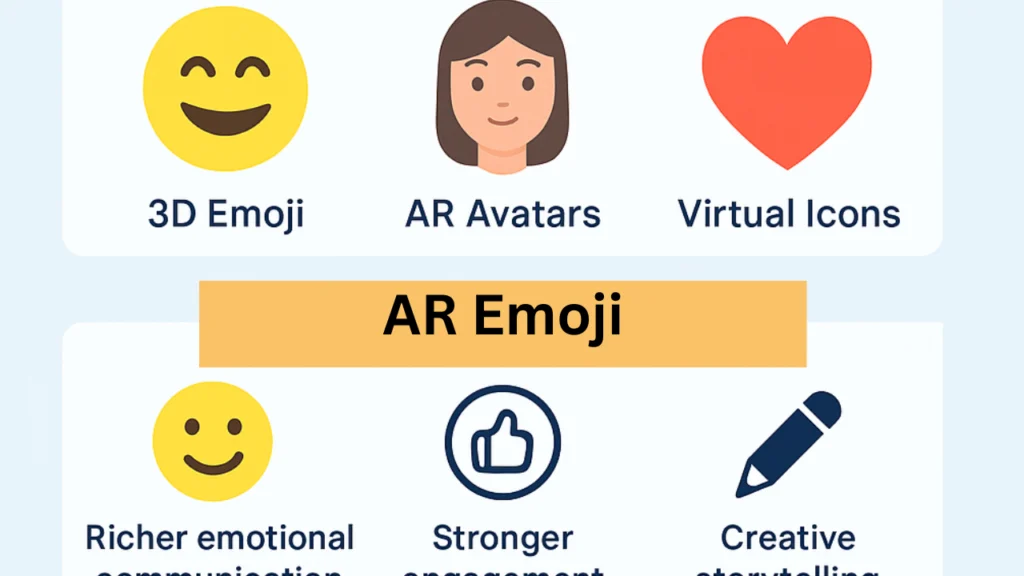
Richer Emotional Communication
By moving emotion into three dimensions, AR emoji create empathy and emotional realism. A simple smiling icon hovering over a friend’s photo can communicate warmth more powerfully than words.
Stronger Engagement and Retention
Visual interaction drives memory and emotional recall. People remember experiences that include personal emotion, and AR emoji help create exactly that.
Identity and Representation
Users can design 3D emoji avatars that reflect their appearance and culture. This personalization increases ownership and helps everyone feel seen. Some early AR systems had issues with skin-tone accuracy, but newer tools now emphasize diversity and customization.
Brand Differentiation
Businesses using AR emoji filters or branded icons stand out. By encouraging people to share creative moments, brands generate organic social reach.
Challenges and Ethical Concerns
Representation and Cultural Bias
When digital faces or icons are generated automatically, misrepresentation can occur. For example, earlier AR systems produced avatars that appeared lighter or less detailed than the real user. Ongoing research focuses on improving realism and inclusivity.
Technical Limitations
AR experiences depend on device capability, lighting, and camera tracking. If sensors misalign or lag, emoji may appear misplaced or unstable, breaking immersion.
Privacy and Consent
Placing avatars or emoji into shared spaces requires caution. If others appear in your camera view, always seek consent before recording or sharing. Responsible use maintains trust.
Accessibility and Usability
Not everyone perceives visual cues equally. Users with color-blindness or low vision may miss visual emotion cues. Designing with contrast, text support, and audio cues ensures inclusivity.
How to Create and Use AR Emoji
1. Choose Your Platform
Pick a camera app or AR tool that supports 3D emoji or AR avatar creation. Many smartphones now include built-in AR features, so you can start with your device’s camera app.
2. Design Your Emoji or Avatar
Select features that reflect your identity. Adjust hair, eyes, and expressions. Decide whether your emoji should mimic your movements or remain static. Test your design under various lighting conditions.
3. Integrate into Real Space
Use face tracking or object mapping to place your emoji correctly. The goal is natural alignment. A smiling emoji that hovers gently beside you feels real; one that jitters or floats too far away can break the illusion.
4. Use with Purpose
Think about why you’re using an emoji. To entertain? To express emotion? To promote a product? Each purpose calls for a different expression, style, and animation speed.
5. Test and Refine
Ask others for feedback. Do they understand what emotion your emoji is showing? Does it work across devices? Gather reactions and improve accordingly.
6. Track Performance
For businesses, track engagement rates, shares, and dwell time. Data often shows that posts featuring interactive emoji experiences have higher engagement compared to static images.
(Source: Dsers Marketing Report)
Best Practices for Using AR Emoji
- Keep it Clear and Simple: Use one or two expressive icons per scene. Avoid visual clutter.
- Stay Consistent with Emotion: Match the emoji’s expression to your intended tone.
- Offer Customization Options: Representation builds trust and loyalty.
- Test Across Devices: Ensure consistent tracking and visibility.
- Mind the Context: A playful emoji might not suit a professional meeting.
- Respect Privacy: Always obtain permission before including real people in AR experiences.
- Measure Results: Monitor user engagement and emotional feedback to refine future experiences.
Insights from Research
- Emoji usage increases social warmth and perceived authenticity.
- In online marketing, expressive icons lead to higher engagement and positive brand perception.
- Educational AR studies show improved emotional awareness when emoji are used interactively.
- In user interface design, emoji can enhance attention, comprehension, and response speed.
- Shared AR spaces (where multiple users see the same virtual icon) improve emotional connection and collaboration.
The Future of Augmented Reality Emoji
As AR hardware becomes more accessible, the possibilities expand:
- Personalized Avatars that mirror subtle expressions.
- Shared AR Worlds where friends see the same emoji in real space.
- Brand-Integrated Emoji Experiences that combine storytelling and engagement.
- AR Glasses Integration, bringing expressive icons off screens and into daily life.
- Emotion-Responsive Systems that adjust emoji based on tone of voice or facial expression.
- Accessibility Standards that ensure all users can experience emotion equally.
The future of digital communication may blend real emotion with augmented visuals, turning feelings into visible, shared experiences.
Frequently Asked Questions
Q: Are AR emoji only for tech-savvy users?
Not at all. Most smartphones already include features that let you try AR emoji or expressive filters. You don’t need coding or special hardware to start experimenting.
Q: How do AR emoji differ from regular emoji?
Regular emoji are flat icons used in chats. Augmented reality emoji are interactive, three-dimensional visuals that appear in your real environment using your camera.
Q: What industries use AR emoji?
Social media, entertainment, education, advertising, gaming, and therapy are the main adopters. Each uses 3D emoji or AR avatars to engage users emotionally.
Q: Are there risks in using AR emoji?
Yes, mainly around privacy and representation. Always respect consent when filming or sharing AR content, and choose inclusive, accurate designs.
Q: Can AR emoji help in branding?
Definitely. Brands that use expressive AR filters or interactive emoji experiences attract stronger engagement and brand recall. Studies show consumers associate positive emotions with these experiences.
Conclusion
Augmented reality emoji are changing how we communicate by turning emotions into visible, interactive symbols. They merge technology with empathy, helping people connect through visuals that feel alive and personal.
AR emoji are reshaping how we express emotions in the digital space. Start experimenting with your own today!